
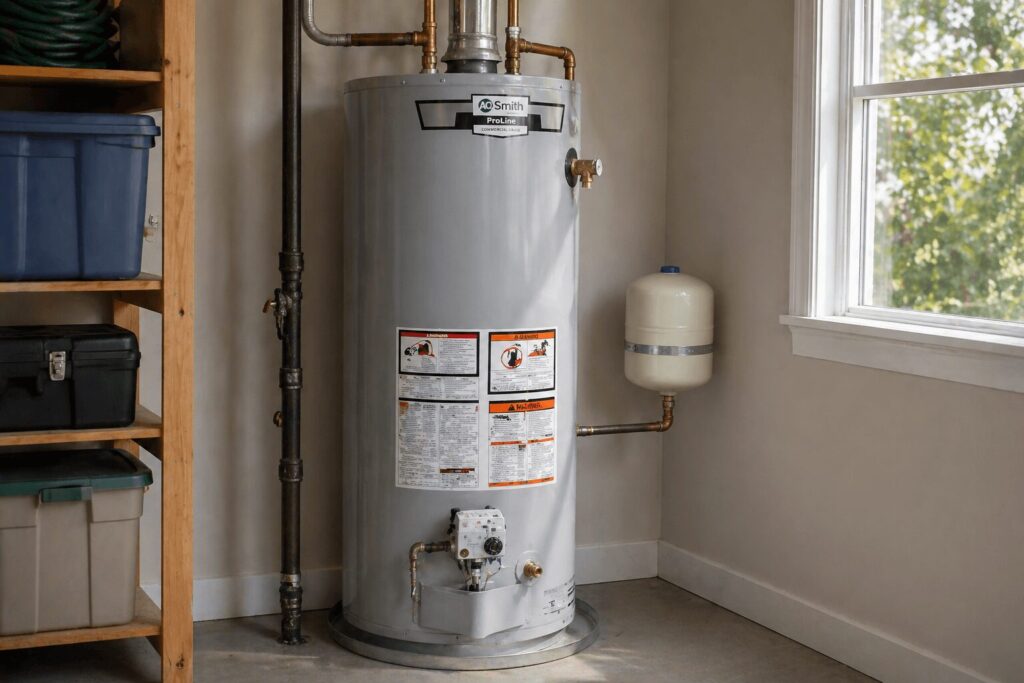
Your water heater is one of the hardest-working appliances in your home, providing the hot water you rely on every day. But what happens when it starts to fail? Waiting for a complete breakdown can leave you with a cold shower and a flooded basement. Fortunately, most units show warning signs before they give out. Recognizing these clues helps you act before a minor issue becomes a major problem. This guide will walk you through the top signs that your water heater might be on its last legs.
Is Your Water Heater Ready for Winter? Key Signs to Watch
A failing water heater can be more than just an inconvenience; it can lead to costly water damage and unexpectedly high utility bills. You don’t want to be caught without hot water, especially as the colder winter months approach.
Paying attention to the early warning signs can save you a lot of trouble. From strange noises to inconsistent water temperatures, your appliance will often tell you when it needs attention. Let’s look at the 10 key indicators that signal it might be time for a water heater replacement.
1. Inconsistent Water Temperature
Is your shower suddenly turning from hot to lukewarm without warning? Inconsistent temperatures are one of the most common signs of a struggling water heater. You might find that the water is scalding one moment and chilly the next, making for an uncomfortable and unpredictable experience.
This fluctuation in water temperature often points to a problem with internal components. A faulty thermostat might be failing to regulate the heat properly, or sediment buildup could be covering the heating element, preventing it from working efficiently. In electric models, one of the two heating elements may have burned out, disrupting your hot water supply.
While it’s a frustrating issue, it’s also a clear indicator that your system needs a professional inspection. Ignoring these inconsistent temperatures could lead to a complete loss of hot water when you least expect it. It’s a minor sign you shouldn’t overlook before your water heater fails completely.
2. Strange Noises Coming from the Tank
Have you noticed your water heater making strange noises lately? Sounds like popping, rumbling, or cracking are definite red flags. These unusual noises are often caused by sediment buildup that has hardened at the bottom of the tank.
When mineral deposits accumulate, they trap water underneath them. As the heating element tries to heat the water, the trapped water boils and bubbles up through the sediment, creating those distinct sounds. This process forces your water heater to work harder, reducing its efficiency and increasing strain on the system. Common noises include:
- Popping or cracking
- Rumbling
- Hissing or whistling
Yes, these strange noises can be a sign that your water heater needs replacement. The added strain from heating through a layer of sediment can cause the water heater tank to overheat and eventually fail. If you hear these sounds, it’s time to have a plumber inspect the unit.
3. Rusty or Discolored Water
If you turn on your hot tap and see brown or reddish water, your water heater is likely in trouble. Rusty water is a clear sign of internal corrosion. It means the inside of your tank is rusting away, and those corrosive particles are mixing with your water supply.
This issue can sometimes be caused by a deteriorated anode rod, a component designed to prevent corrosion. The anode rod sacrifices itself to protect the tank lining. Once it’s gone, the tank itself begins to rust. While replacing the anode rod can sometimes help, persistent discoloration usually points to irreversible damage.
So, does rusty or discolored water mean you need a new water heater? Often, yes. If the problem continues after flushing the tank, it’s a strong indication that the tank’s interior is compromised. A replacement is the only safe and effective solution to prevent further rust and an eventual leak.
4. Water Heater Leaks or Moisture Around the Unit
Discovering water pooling around your water heater is one of the most serious warning signs. While some minor drips might come from a loose fitting or a faulty pressure relief valve, water coming from the tank itself is a major concern. It typically signals that the inner tank lining has cracked due to internal corrosion.
Even a small puddle can quickly turn into a flood. Water heaters operate under pressure, and a small leak in the tank can worsen suddenly, leading to significant water damage, structural issues, and mold growth in your home.
Is leaking around the water heater a definite sign you need a new one? If the leak is coming from the tank body, then yes, a replacement is unavoidable because a cracked tank cannot be repaired. It’s a clear sign of failure, and you should contact a professional plumber immediately to avoid a catastrophic mess.
5. Hot Water Runs Out Quickly
Are your showers getting shorter because the hot water doesn’t last? Running out of hot water faster than usual is a classic symptom of a failing water heater. This problem can be especially frustrating for families who rely on a consistent supply for daily routines.
Several issues could be the cause. In electric tank water heaters, a failed lower heating element is a common culprit. The top element heats a small amount of water, giving you a brief burst of heat before it runs cold. Another reason your water heater might run out of hot water quickly is a broken dip tube, which allows incoming cold water to mix with the hot water at the top of the tank instead of directing it to the bottom.
Sediment buildup can also reduce the tank’s capacity, leaving less room for hot water. When these problems occur, your system struggles to keep up with demand, and you’re left with a lukewarm or cold surprise.
6. Frequent Repairs Needed
If you feel like you’re on a first-name basis with your plumber because of constant water heater repairs, it’s a sign that your unit is nearing the end of its life. Needing to replace parts like the thermostat, heating elements, or valves every year or two is not normal.
These frequent repairs suggest that the appliance is suffering from systemic wear and tear. As one component is fixed, another is likely to fail soon after. This cycle of repairs can become costly and frustrating, and it often points to deeper structural issues that can’t be easily fixed.
What should you do if your water heater keeps needing repairs? Instead of continuing to pour money into an aging unit, it’s more cost-effective to invest in a new water heater. A proactive replacement will save you from future headaches, unexpected breakdowns, and the mounting costs of service calls.
7. Unusually High Energy Bills
Have you noticed your energy bills creeping up without any change in your daily habits? A surprisingly high utility bill can indeed be a symptom of a failing water heater. As a water heater ages, its efficiency declines, forcing it to use more energy to heat the same amount of water.
Sediment buildup is a major cause of this inefficiency. A layer of mineral deposits at the bottom of the tank insulates the water from the heating element, forcing the system to run longer and work harder. This extra work translates directly into higher energy bills. Upgrading to a modern, efficient model can make a big difference.
Comparing different types of water heaters can show you the potential for savings. Newer tankless models and ENERGY STAR-certified units are designed to use less energy, which can significantly lower your long-term operating costs.
| Heater Type | Energy Efficiency Profile |
| Old Tank Heater | Often inefficient due to age and sediment buildup. |
| ENERGY STAR Tank Heater | More efficient insulation and design reduce heat loss. |
| Tankless Models | Heat water on demand, eliminating standby energy loss. |
| Heat Pump Heater | Uses ambient air to heat water, offering major energy savings. |
8. Age of Your Water Heater (10+ Years Old)
Like all appliances, water heaters have a limited lifespan. Most traditional tank water heaters last about 8 to 12 years. If your unit is over a decade old, it’s living on borrowed time. You can typically find the age of your unit by checking the serial number on the manufacturer’s sticker. The first few digits often indicate the month and year of production.
How can you tell if your water heater is reaching the end of its lifespan? Age is the biggest clue. As a water heater gets older, the interior of the tank begins to corrode, and components wear out. The reliability of an older unit decreases significantly, making it more prone to leaks, inefficiency, and sudden failure, even with regular maintenance.
A proactive replacement is the smartest approach for a water heater that’s over 10 years old. Waiting for it to fail could result in an emergency situation and costly water damage. Planning for a replacement gives you time to choose the right model for your needs without the stress of a sudden breakdown.
9. Low Water Pressure When Using Hot Water
If you’ve noticed that the water flow from your hot taps is weaker than from your cold taps, you might have a plumbing issue related to your water heater. Low water pressure exclusively on the hot side is a subtle sign you shouldn’t ignore.
This problem is often caused by scale buildup and mineral deposits inside your water heater or hot water pipes. Over time, these deposits can accumulate and create a blockage, restricting the water flow. This not only reduces your water pressure but can also damage your plumbing system and appliances.
For both tank and tankless water heater models, this is a sign that maintenance is overdue. Flushing the system can sometimes clear the blockage, but severe scale buildup may indicate that the unit is nearing the end of its functional life. It’s one of those minor signs that, if overlooked, can point to a bigger problem brewing inside your water heater.
10. Odd Smelling Water
Does your hot water have a strange, unpleasant odor, like rotten eggs? This smelly water is another minor sign you shouldn’t overlook, as it often points to a problem inside your water heater tank. The culprit is usually bacterial growth.
Certain types of bacteria can thrive in the warm, stagnant environment of a water heater tank. These bacteria react with the anode rod, a component made of magnesium or aluminum, and produce hydrogen sulfide gas, the source of that rotten egg smell. While not necessarily harmful to your health, it makes using your hot water an unpleasant experience.
This issue can sometimes be resolved by flushing the tank and replacing the anode rod. However, if the smell persists, it may indicate a deeper problem with bacterial contamination that is difficult to remove. In such cases, replacing the water heater might be the only way to get fresh, clean hot water again.
Amn Plumbing for Water Heater Installation
If your water heater is showing signs of failure or you’re tired of frequent repairs, it’s time to call a professional. At AMN Plumbing in Ormond Beach, our team of licensed plumbers specializes in water heater installation and replacement. We can help you choose the right unit for your home’s needs and budget, ensuring it’s installed correctly and safely for optimal performance. Don’t risk a DIY installation that could lead to leaks, improper venting, or voided warranties.
Hiring a professional gives you peace of mind. We handle everything from removing your old unit to making sure your new one meets all local codes. Our experts can also set you up with a schedule for regular inspections to keep your new system running efficiently for years to come. When you’re ready for a water heater replacement, trust AMN Plumbing for reliable and expert service. We serve homeowners throughout Daytona Beach, Port Orange, and all of Volusia and Flagler Counties.
Conclusion
In summary, recognizing the signs that indicate your water heater is on its last legs is crucial for ensuring your home stays warm and comfortable during winter months. From fluctuating temperatures to strange noises, addressing these issues early can save you from unexpected cold showers and costly repairs. If you find yourself experiencing any of the ten signs discussed, it’s time to consider a replacement. For a smooth and professional installation process, look no further than Amn Plumbing. Their expert team is ready to help you choose and install a new water heater, ensuring you get back to enjoying reliable hot water in no time. Get in touch today to make sure you’re well-prepared for the winter!
Frequently Asked Questions
How can I tell if my water heater is reaching the end of its lifespan?
The easiest way to tell if your water heater is reaching the end of its lifespan is by its age; most last 8-12 years. Other signs include frequent repairs, rising energy bills, and rusty water. If your unit is over a decade old and needs constant attention, it’s time to consider a replacement.
Does leaking around my water heater mean I need a new one?
Often, yes. While a small leak might come from a loose valve, any moisture or water pooling around the base of the water heater itself usually indicates a crack in the tank. A leaking tank cannot be repaired and is a definite sign you need a new water heater to prevent major water damage.
What are the common signs that indicate a water heater is failing?
Common warning signs of a failing water heater include a lack of hot water, inconsistent temperatures, strange noises from sediment buildup, and discolored water. You might also notice higher energy bills or small leaks around the unit. These signs indicate your appliance is struggling and may need to be replaced soon.