
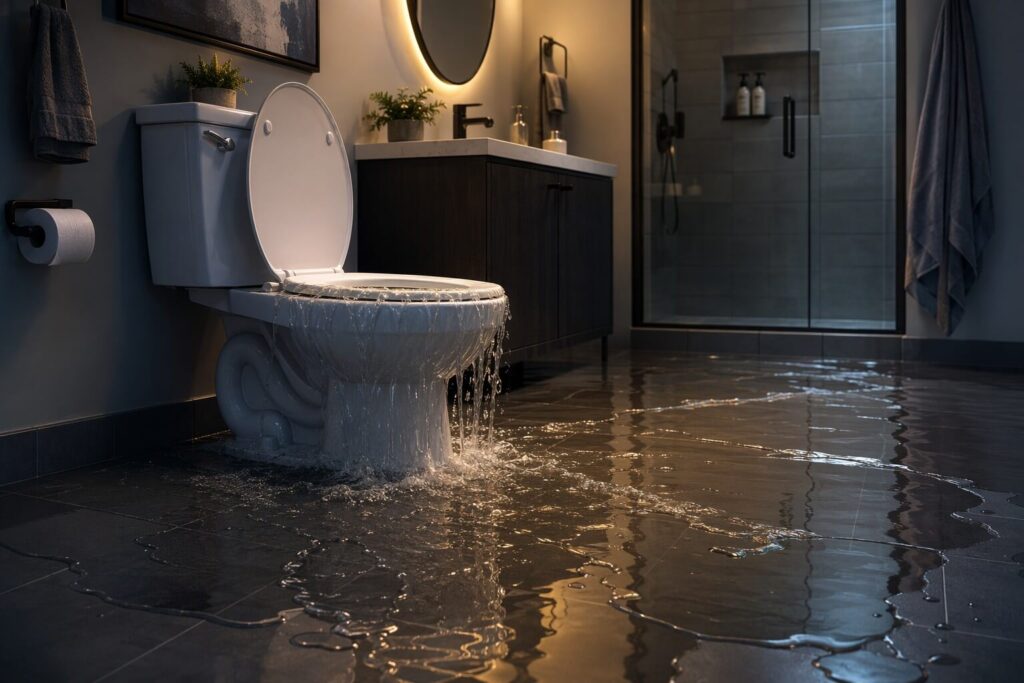

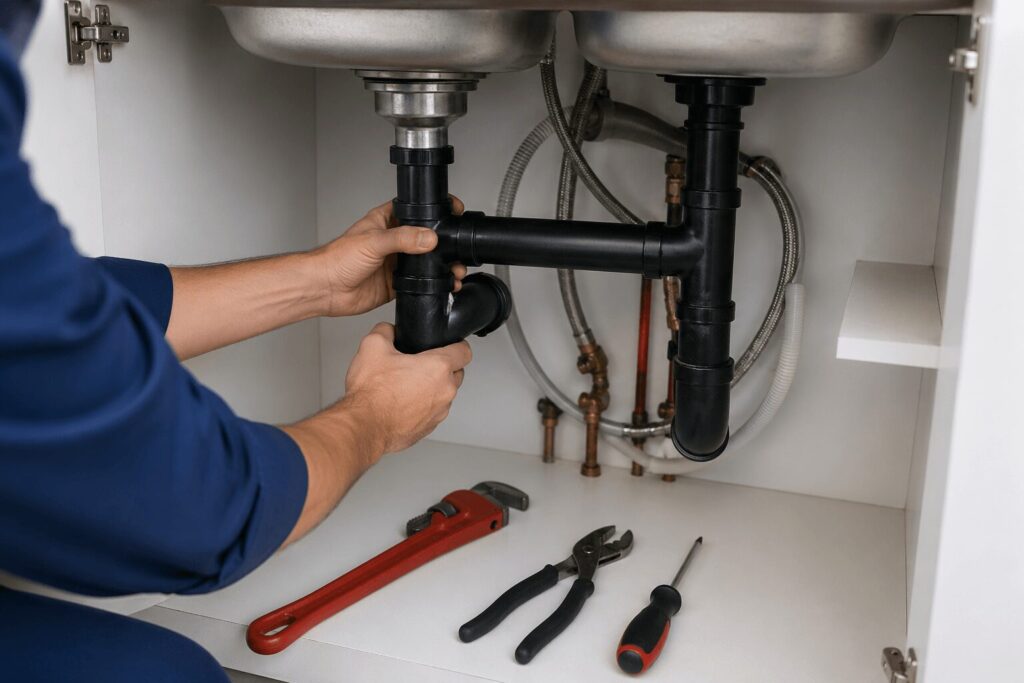
A toilet overflow can turn from a small mess into a bigger problem faster than you expect. One flush, and suddenly the toilet bowl starts filling instead of draining. If that happens, don’t panic. In many cases, you can slow the problem down by acting quickly and checking a few basic parts. This guide explains what causes a toilet overflow, what steps you can take right away, and when your plumbing system needs expert attention before the damage spreads.
Understanding Toilet Overflow: What You Need to Know
When a toilet overflow starts, your first move should be to stop the water supply. That keeps the water level from rising further in the toilet bowl and gives you time to assess what went wrong. In many cases, quick action limits cleanup and helps you avoid damage to the bathroom floor.
The cause may be simple, like a clog, or it may involve tank parts or a deeper drain problem. If the toilet overflow keeps returning, a professional plumber may be needed to find the real source. Before that point, watch for early warning signs.
Signs Your Toilet Is About to Overflow
Usually, your toilet gives you clues before a full overflow happens. You may flush and notice the toilet bowl empties slowly, then refills in an unusual way. Sometimes water rises higher than normal and lingers there instead of dropping back down.
Pay close attention to these warning signs:
- Water rises close to the rim after flushing.
- Slow drains appear in the toilet or nearby fixtures.
- Gurgling sounds happen before or after a flush.
- The tank seems to send extra water through the overflow tube.
If you catch these signs early, shut off the supply right away to stop the rising water. That one step can reduce water damage and give you time to inspect the toilet without making the mess worse.
Why Toilet Overflows Are a Common Home Emergency
A toilet overflow is a common emergency because toilets are used every day and often without much thought. When something blocks drainage or tank parts stop working, water can spread quickly. That makes it more than a simple annoyance. It becomes a real inconvenience the moment it reaches your floor.
Another reason this problem feels urgent is how fast cleanup starts. You may need paper towels, towels, or a mop just to keep the mess from spreading. If the water supply is still on, additional water keeps entering the bowl and worsens everything.
If it happens once, you may be able to handle it yourself. If it keeps happening, though, recurring plumbing issues often mean you should call a plumber to inspect the system and prevent repeat damage.
Common Causes of Toilet Overflow in Florida Homes
There are several causes of an overflowing toilet, but most fall into a few main categories. Toilet clogs are high on the list, especially when excessive toilet paper or non-flushable items block the drain path. In some homes, worn tank parts can also let too much water enter the bowl.
Other plumbing issues may be farther down the line, such as vent trouble, drain blockages, or a main sewer backup. No matter the cause, acting quickly protects your bathroom floor. Let’s look at the most likely reasons one by one.
Clogged Toilets and Blockages
For a lot of homeowners, a clogged toilet is the first and most likely explanation. A simple clog forms when too much toilet paper, human waste, or another item gets stuck in the toilet trap or drain opening. Then the next flush sends water into a blocked path.
Common blockage sources include:
- Too much toilet paper flushed at one time
- Hygiene products, wipes, or paper towels
- Small foreign objects accidentally flushed
Still, an overflowing toilet is not always caused by a visible blockage in the bowl. If it seems clear but still backs up, the issue may be lower in the line or tied to a tank part. That is why repeated overflow should never be ignored after one failed attempt to clear it.
Faulty Fill Valves, Flappers, or Toilet Parts
Yes, certain toilet parts can absolutely cause overflow issues. Inside the toilet tank, the fill valve controls incoming water after each flush. If you have a faulty fill valve, the tank may keep filling past the proper point. That can push too much water toward the bowl.
The flapper also matters. This rubber disc sits over the hole at the bottom of the tank and should seal properly after a flush. If it stays open even slightly, water keeps moving from the tank into the bowl when it should stop.
You should also check the float ball or float setting. If the float sits too high, it tells the tank to keep filling. In that case, the water may keep rising until it reaches the overflow tube or sends more water into the bowl than normal.
Drain Line or Sewer Problems
Sometimes the problem is not the toilet itself. A blocked drain line, a blocked vent pipe, or trouble in the main sewer line can all stop wastewater from moving through the plumbing system the way it should. When that happens, the bowl may overflow even if the toilet seems normal at first glance.
If your toilet won’t stop overflowing, first check whether other fixtures are acting up too. Multiple slow drains, gurgling sounds, or backups when using another fixture can point to a larger line problem instead of a single toilet clog.
| Problem Area | What You May Notice |
| Drain line | Recurring toilet backups or slow drainage in one area |
| Blocked vent pipe | Gurgling sounds and poor drainage without an obvious bowl clog |
| Main sewer line | Multiple fixtures backing up throughout the house |
| Sewer line damage | Ongoing issues that return after basic clearing attempts |
These conditions are more serious and often require professional diagnosis.
Essential Equipment and Safety Precautions Before You Start
Before you try fixing anything, gather the right tools and slow the situation down. A quick response starts with the water valve, then moves to cleanup and inspection. Having paper towels, gloves, and a way to remove standing water makes the job safer and less stressful.
You should also protect yourself and your bathroom. A tank lid can be slippery, and dirty water can spread across the floor fast. If the mess is growing or you feel unsure, get professional help instead of forcing a risky repair.
Tools You’ll Need to Stop a Toilet Overflow
There is a quick way to prevent flooding from an overflowing toilet: stop the incoming water and prepare to clean up fast. That becomes easier when you have a few basic items nearby before you start inspecting the toilet.
Useful tools include:
- Rubber gloves to protect your hands during cleanup
- A wet vacuum for removing standing water
- A drain snake for deeper clogs
- Towels or paper products for the floor
You may also need to lift the toilet tank lid to inspect the flapper, float, or fill system. Once you reach the water valve, turn it off first. Then use your supplies to control the mess and look for the most likely cause. These simple tools can help you act fast before the bathroom floor gets worse.
Important Safety Steps to Take When Dealing with Overflow
Start with safety before you focus on repairs. The first goal is to stop the water flow and keep the mess contained. A wet, dirty bathroom floor can become slippery fast, especially if overflow spreads beyond the toilet area.
Keep these safety steps in mind:
- Shut off the toilet water before touching tank parts
- Remove hygiene products or visible debris without flushing again
- Use paper towels, towels, or a mop to limit water damage
Once the area is under control, avoid repeated flushing until you know what caused the problem. If water has spread widely or keeps returning, step back and call for help. Protecting your home from water damage matters just as much as fixing the toilet itself.
Beginner’s Guide: How to Stop Your Overflowing Toilet Step-by-Step
If you have an overflowing toilet, act in a calm and simple order. First, stop the water supply so the toilet bowl does not keep filling. Then inspect the toilet tank and its parts to see whether the problem is coming from inside the unit or from a blockage below.
In many cases, these basic steps can help you regain control quickly. If your toilet has a float cup instead of a float ball, that part may also need attention. Here is the process to follow.
Step 1: Shut Off the Water Supply Quickly
The fastest way to stop water from rising is to shut off the water supply. Look for the water valve near the base of the toilet, usually coming out of the wall behind or beside it. Turn it to stop the flow of water into the fixture.
If that valve is hard to move or you cannot reach it in time, open the toilet tank and work from there. Stopping the incoming water is still the main goal. Once the tank stops refilling, the bowl should stop getting worse.
Inside the tank, focus on the parts that control fill. Check the area near the bottom of the tank and make sure water is no longer feeding into the bowl. This first step buys you time, reduces panic, and makes the next inspection much easier.
Step 2: Check the Toilet Tank and Parts for Issues
Now inspect the inside of the toilet tank carefully. Lift the tank lid and watch what happens after a flush or during refilling. If water keeps moving when it should have stopped, one of the internal parts may be failing.
Pay close attention to the fill valve. A faulty fill valve may continue feeding water long after the tank should be full. If your toilet uses a float cup, check whether it is stuck or sitting too high. That can prevent the valve from shutting off properly.
You should also look for signs that water is reaching or passing the overflow opening inside the tank. If the parts seem worn or out of position, that may explain the repeated overflow. These are often manageable fixes, but they still need proper replacement or adjustment.
Step 3: Clear Blockages and Prevent Further Overflow
Once the water is under control, deal with the blockage if one is present. A clogged toilet often forms in the toilet trap, where toilet paper and waste collect and block the passage. If the clog is minor, it may clear with the right tool and gentle effort.
You can sometimes fix an overflow without a plunger by using a drain snake. This tool reaches deeper into the trap and can break up or pull out a simple clog. It is especially useful when the blockage sits beyond what you can see in the bowl.
Do not keep flushing to test progress. That only risks another backup. Clear the line first, then monitor how the toilet drains. If the bowl still acts up after you remove a likely clog, the problem may be farther down the drain path.
When to Call AMN Plumbing for Professional Help
If your toilet keeps overflowing, yes, it is time to call a professional plumber. One isolated backup may come from a simple clog or a worn flapper. But repeated overflow often points to an underlying problem that basic DIY steps will not solve. That may include a blocked drain line, a vent issue, or trouble in the main sewer line.
AMN Plumbing plumber services can help homeowners across Ormond Beach and Daytona Beach when you need a permanent fix, not a temporary workaround. A trained team can inspect the system, identify what is causing the excess water, and recommend the right repair before water damage spreads further. If multiple fixtures are backing up, strange sounds are coming from drains, or the toilet overflows again after clearing it, professional help is the smart next step.
Conclusion
In conclusion, it is essential to address toilet overflows promptly to prevent further damage to your home. Understanding the signs and common causes of toilet overflows can help you take necessary precautions. Remember to have essential equipment on hand and follow safety guidelines when dealing with an overflowing toilet. If you encounter a situation beyond your expertise, do not hesitate to contact AMN Plumbing for professional assistance. We serve Port Orange, Deltona, and all of Volusia and Flagler Counties. By taking proactive measures and knowing how to stop a toilet from overflowing, you can avoid potential hazards and costly repairs. Now, let’s address some FAQs about toilet overflows. If you need immediate help with a plumbing emergency, reach out to AMN Plumbing for reliable services.
Frequently Asked Questions
Can I stop a toilet overflow without a plunger?
Yes. With an overflowing toilet, first turn off the water valve to stop more water from entering. Then lift the tank lid and inspect the toilet tank for a stuck flapper or float issue. Use paper towels or towels to control the mess while you work.
Why does my toilet overflow even if it’s not clogged?
Your toilet may overflow without a visible clog if the fill valve keeps running or the float ball is set too high. A faulty fill valve can raise the water level too much, sending extra water into the toilet bowl even when the drain is not blocked.
What should I check first if my toilet keeps overflowing?
Start by stopping the water supply. Then remove the toilet tank lid and check the float cup, the bottom of the tank, and the overflow tube. If water keeps rising inside the tank or moving toward the bowl, the problem may be with the fill controls.
How can I prevent future toilet overflows?
Use only toilet paper, avoid flushing anything else, and pay attention to early signs like slow drainage or gurgling. Regular checks of your plumbing system also help. If you have recurring issues, a professional plumber can inspect the main sewer line or septic tank for bigger problems.