

Why Does My Water Smell Bad? Common Causes Explained

why does my water smell bad

Need a Plumber?

Fast response, transparent pricing, family-owned values.

(386) 852-2526

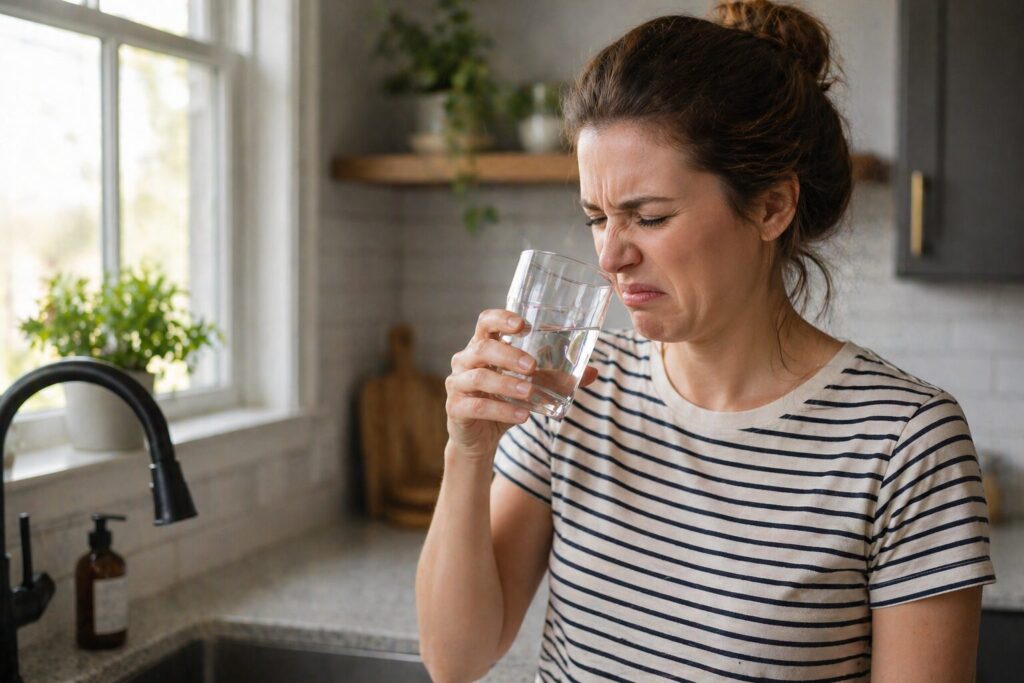
Have you ever turned on your faucet expecting clean water, only to be met with a strange water smell? It’s a common problem that can leave you wondering about your water quality. An unpleasant odor can make you hesitant to drink, cook, or even shower. This guide will help you understand why your water might smell bad, what those odors mean, and what steps you can take to get your water smelling fresh and clean again.

Understanding Bad Smells in Your Water

A strange water smell from your tap water can be unsettling. It immediately raises questions about your drinking water quality and whether it’s safe to use. The source of these odors can be difficult to pinpoint, as it could originate from your water source, the city’s water system, or even your own plumbing.

Figuring out the cause is the first step toward a solution. Different smells can indicate different issues, from harmless bacteria to more serious plumbing problems. In the following sections, we will explore what these different odors mean and how they can affect your home.

What Different Water Odors Mean

The specific scent coming from your faucet can give you clues about the underlying issue. One of the most common complaints is a rotten egg smell, which almost always points to the presence of hydrogen sulfide gas. This gas is a result of a chemical reaction often involving sulfur bacteria.

Another frequent odor is a musty smell. This earthy or damp scent is typically caused by organic material or bacterial activity somewhere in your water supply or plumbing. If you notice a fishy smell, it could also be due to decaying organic matter.

Here are some common odors and their likely causes:

  • Rotten Eggs: This distinct sulfur smell is from hydrogen sulfide gas.
  • Musty/Earthy: This often indicates the presence of decaying organic material or certain types of bacteria.
  • Chlorine/Bleach: This chemical smell is common in city water due to the disinfection process.
  • Metallic: This can be a sign of aging metal pipes, such as iron or copper, deteriorating.

How Water Smells Can Impact Your Home Life

Unpleasant odors in your water can significantly disrupt your daily home life. The thought of drinking a glass of water that smells bad is enough to make anyone turn to bottled alternatives, which can be costly and inconvenient. It affects more than just your drinking water; it can also make you hesitant to use tap water for cooking, brewing coffee, or washing produce.

The impact extends beyond the kitchen. A strange smell can make showering an unpleasant experience, and you might worry about the odor clinging to your hair or skin. These issues can be frustrating and make you feel less comfortable in your own home.

Additionally, some underlying causes of bad smells, like bacterial growth or corrosion, can lead to bigger problems such as reduced water pressure or damage to your plumbing system over time. Addressing the odor is not just about comfort but also about maintaining your home’s infrastructure.

Common Causes of Bad Water Smells

When your water has a foul odor, it’s usually due to a few common causes. The most frequent culprit behind a rotten egg smell is hydrogen sulfide, which is produced by sulfur bacteria. These bacteria can thrive in environments with low oxygen, such as your well, plumbing system, or even your water heater.

Understanding where these bacteria are growing is key to solving the problem. The issue could be localized to a single drain, originating from your water heater, or present throughout your entire water supply. We’ll examine these sources more closely to help you diagnose the issue.

Sulfur Bacteria and Hydrogen Sulfide

The notorious rotten egg odor in water is almost always caused by hydrogen sulfide gas. This gas is produced by sulfur bacteria, which are microorganisms that feed on decaying organic matter. As these bacteria consume sulfates found naturally in water, they release hydrogen sulfide, trapping the gas within your water system.

While sulfur bacteria themselves are not typically a health threat, they create an environment for other issues. They can promote the growth of iron bacteria, which can clog wells and plumbing. High levels of hydrogen sulfide gas, however, can be harmful, potentially causing nausea and headaches in very high concentrations, though such levels are rare in household water.

The presence of this gas is what makes your water smell so unpleasant and why it is recommended to address the source. Even low levels of hydrogen sulfide are enough to create a strong, off-putting smell that affects the taste and usability of your water.

Plumbing System Issues and Pipe Problems

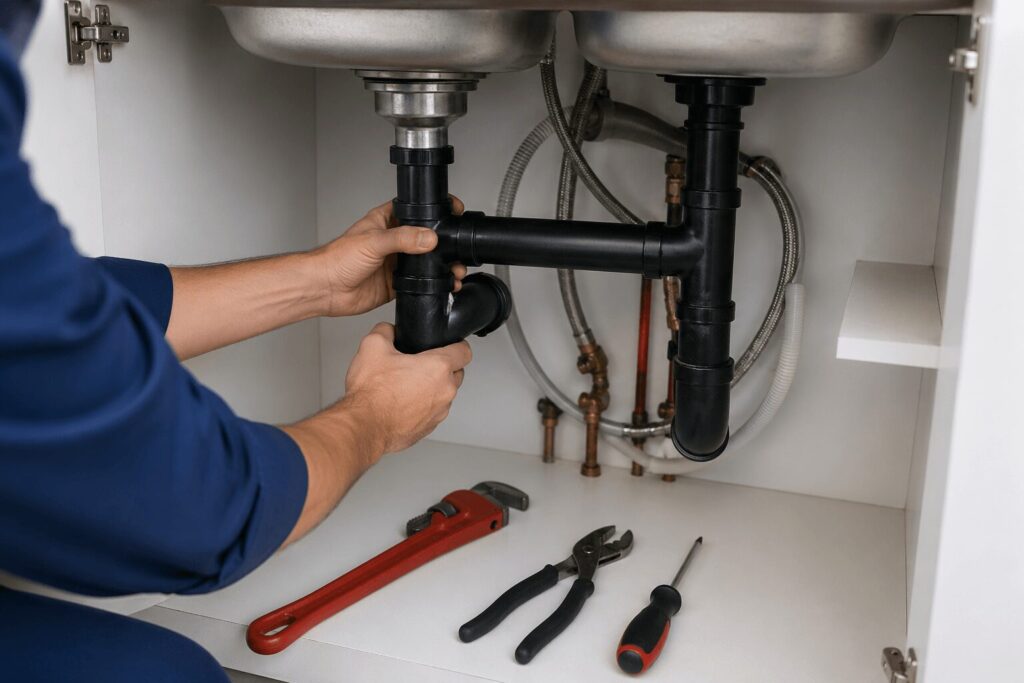
Yes, your plumbing system can absolutely be the source of bad water odors. Sometimes, the smell isn’t from the water itself but from what’s happening inside your pipes and drains. Debris like hair, soap, and food waste can build up in your sink drain, creating a breeding ground for bacterial growth that releases foul-smelling gases.

Another potential issue is with the plumbing fixtures themselves or the pipes they connect to. Old, corroding pipes can leach metals into the water, causing a metallic taste and smell. Furthermore, biofilms—slimy layers of bacteria—can form inside pipes, leading to musty or earthy odors.

Key plumbing-related causes include:

  • Drain Buildup: Decaying organic matter in the drain P-trap can create odors that seem to come from the water.
  • Pipe Corrosion: Aging metal pipes can deteriorate and impart a metallic taste or smell.
  • Bacterial Growth: Biofilms can develop within pipes, especially in areas with low water pressure or infrequent use.

Stagnant Water and Low Flow Areas

Have you ever noticed that the water smell is strongest in the morning or from a faucet you rarely use? This is often due to stagnant water. When water sits in pipes for extended periods, it creates a perfect environment for bacterial activity to flourish, leading to musty or earthy odors.

In low-flow areas of your plumbing, such as a guest bathroom or a long stretch of pipe, water doesn’t move as frequently. This lack of circulation allows bacteria to multiply and release gases that build up overnight. When you turn on the tap, you get a concentrated burst of this smelly water.

If the odor dissipates after running the water for a minute or two, stagnation is the likely cause. While this is usually not a serious health concern, it does indicate bacterial growth in your system. A water test can confirm the presence of bacteria and help you decide on the best course of action.

City Water vs. Well Water Odor Problems

The type of water source you have—city water or a private well—can influence the kind of odor issues you might encounter. While both can develop smells, the causes are often different. Well water is more prone to natural contaminants, while municipal water odors are typically related to the treatment process.

Because well water comes directly from the ground, it can contain naturally occurring minerals and bacteria that cause smells. City water, on the other hand, is treated at a central facility before being distributed through a public water supply system. Next, we will discuss the unique odor problems associated with each type of water.

Sources of Odors in City Water

If you use city water, you might occasionally notice a chlorine smell, similar to a swimming pool. This is because your public water provider uses chlorine as a disinfectant to kill harmful bacteria, viruses, and parasites. This is a crucial step in ensuring the water is safe to drink and is standard practice for maintaining water quality in a municipal system.

The amount of chlorine in the public water supply is carefully regulated and kept at levels safe for human consumption. However, the taste and odor can be unpleasant for some people. The smell should typically dissipate if you let the water sit in an open container for a few minutes.

If the chlorine smell is suddenly very strong or you notice other chemical odors, it’s a good idea to contact your water provider. While rare, there could be an issue with the treatment process or a problem within the distribution system that needs to be addressed.

Odor Concerns Unique to Well Water

Well water users face a different set of odor challenges because their water supplies are not centrally treated. Since the water comes directly from the ground, it can contain various substances that cause smells. Decaying organic matter, for example, can lead to earthy or musty odors.

High levels of sulfur are a common complaint, resulting in the classic rotten egg smell. Iron bacteria are another frequent issue, which can produce a swampy or oily scent and leave behind slimy residue. Well owners are responsible for managing these issues, often through methods like shock chlorination or installing filtration systems.

Is It Safe to Use Water That Smells Unusual?

When you encounter smelly water, your first question is likely about safety. In most cases, the substances that cause odors in drinking water are more of a nuisance than a direct health risk. For instance, the bacteria that produce a rotten egg smell are not typically harmful to drink.

However, a sudden change in your water’s smell can signal new water quality issues that may pose a health risk. It’s always best to be cautious. The following sections will provide more detail on using smelly water for daily activities and when you should be concerned about potential health risks.

Drinking, Cooking, and Bathing with Smelly Water

Using smelly water for daily tasks can be very unpleasant. Even if the water is technically safe, the odor can affect the taste of your drinking water and any food you cook with it, such as pasta or soups. Coffee and tea can also take on the water’s unpleasant flavor.

When it comes to bathing, showering in water that smells like rotten eggs or must is not an enjoyable experience. While generally safe, the odor can linger on your skin and hair. In some cases, high concentrations of minerals or sulfur can also contribute to dry skin or irritation.

It’s important to remember that some smells can indicate issues beyond the water source itself. For example, a sewage-like smell may not be your water but rather bacteria from food waste that has built up in your drain. Identifying the true source is key to resolving the problem.

Health Risks and When to Be Concerned

While most water odors are harmless, there are situations where you should be concerned about potential health risks. A sudden and drastic change in your water’s smell or taste could indicate a new form of contamination that needs immediate attention. Never ignore abrupt changes in your water quality.

For example, if your water suddenly smells like petroleum, gasoline, or solvents, you should stop using it immediately and have it tested. This could be a sign of a fuel leak or industrial contamination near your water source, which can pose serious health risks. Similarly, a sewage smell could indicate a septic system failure or a cross-connection with wastewater lines.

High levels of certain contaminants can also be a concern. While low levels of hydrogen sulfide are just a nuisance, very high concentrations can be toxic. If you have any doubts about your water’s safety, especially if you have infants or immunocompromised individuals in your home, it’s always best to get it professionally tested.

Beginner’s Guide to Identifying and Fixing Water Odors

Tackling a water odor problem can seem daunting, but a systematic approach can help you identify the source of the problem and find the right solution. The first step is always diagnosis. Before you can fix the smell, you need to know where it’s coming from. This involves a bit of detective work and possibly a water test.

Once you have an idea of the cause, you can explore different treatment options, from simple DIY fixes to more comprehensive solutions for your entire water system. The following guide will walk you through the process, from gathering what you need to taking corrective action.

What You’ll Need to Get Started

Before you begin diagnosing your water odor issue, it helps to have a few simple things on hand. You don’t need many specialized tools for the initial investigation. The most important tool is your own sense of smell, along with a couple of clean glasses for collecting water samples.

Depending on what you find, you may decide to perform a DIY water test. Home water test kits are available at most hardware stores and can check for common issues like pH, hardness, and chlorine. For more complex problems, you might need to send a water sample to a certified lab for analysis.

Here’s a list of what you might need:

  • Two clean glasses: For comparing water from different faucets and temperatures.
  • DIY water test kit: For a preliminary check of your water quality.
  • Notebook and pen: To jot down your observations about where and when the smell occurs.

Step-by-Step Guide to Diagnosing and Treating Water Smells

Figuring out the source of a water smell is a process of elimination. By following a few logical steps, you can narrow down the possibilities and get closer to a solution. This systematic approach saves you time and helps you avoid unnecessary or incorrect treatments.

Once you’ve identified the source of the problem, you can decide on the appropriate treatment. This could be a simple cleaning, a minor plumbing repair, or the installation of a water treatment system. Don’t be afraid to seek professional help if the problem seems too complex to handle on your own.

Here is a simple step-by-step process to follow:

  • Step 1: Check the source of the smell.
  • Step 2: Test your water quality.
  • Step 3: Inspect your water heater and plumbing.
  • Step 4: Try simple solutions or seek professional help.

Step 1: Check the Source (Hot/Cold Water, Faucets, Pipes)

The first step in diagnosing a water odor is to pinpoint its exact source. Start by running the cold water at a specific faucet and smelling it. Then, do the same with the hot water. If the smell is only present in the hot water, the problem is most likely with your water heater.

Next, check different plumbing fixtures around your house. If the smell is isolated to a single faucet, like the kitchen sink, the issue might be with that specific faucet or its drain. However, if the odor is present in both hot and cold water at every tap, the problem likely lies within your main water source or the plumbing system itself.

To check if the odor is from your drain, fill a glass with water and walk away from the sink before smelling it. If the water in the glass smells fine, the odor is coming from bacteria buildup in the drain, not your water supply.

Step 2: Test Your Water Quality

Once you’ve narrowed down the potential sources, testing your water quality can provide definitive answers. A water test can identify the specific contaminants causing the odor, such as hydrogen sulfide, iron, or bacteria. You can start with a simple DIY test kit from a hardware store.

These kits are easy to use and can give you quick results for common parameters like pH, chlorine, and hardness. While they are a good starting point, they may not detect all potential contaminants.

For a more thorough analysis, consider sending a water sample to a certified laboratory. A professional water test will provide a detailed report on a wide range of substances in your water system, giving you a complete picture of your water quality. This information is invaluable for choosing the most effective treatment method.

Step 3: Inspect Your Water Heater and Plumbing

If your investigation points to the hot water, your water heater is the next place to look. A common cause of a rotten egg smell in hot water is a reaction involving the magnesium anode rod inside the tank. This rod is designed to prevent corrosion, but it can react with sulfates in the water to produce smelly hydrogen sulfide gas.

Inspecting the anode rod can reveal if it’s the culprit. If it is heavily corroded or deteriorating, replacing it with one made of aluminum or zinc can often solve the problem. You might also consider flushing your water heater to remove any sediment and bacteria that have built up inside the tank.

While you’re at it, a visual inspection of your accessible plumbing system can be helpful. Look for any signs of leaks, corrosion, or buildup around pipes and fixtures. These can be indicators of underlying issues contributing to bad odors.

Step 4: Try Simple Solutions or Seek Professional Help

After diagnosing the problem, you can start with simple, low-cost solutions. If the odor is coming from a drain, a mixture of baking soda and vinegar followed by hot water can often clear out the bacterial buildup. If you have a well, shock chlorination can be an effective way to kill odor-causing bacteria.

For more persistent or widespread issues, you may need to consider a more robust solution. Installing a water filter at the point of use or a whole-house filtration system can effectively remove many odor-causing contaminants.

Sometimes, the problem is too complex for a DIY fix. If you’re unsure of the cause or uncomfortable performing the necessary repairs, it’s always best to seek professional help from a licensed plumber.

  • Simple Fixes: Cleaning drains, flushing the water heater.
  • Filtration: Installing point-of-use or whole-house filters.
  • Professional Help: Contacting a plumber for complex plumbing fixtures or system-wide issues.

Water Filter Options and Odor Removal Methods

If your water odor problem persists, a water filter or filtration system is often the most effective long-term solution. There are several types of filters designed for odor removal, each targeting different contaminants. The best option for you will depend on the specific cause of the smell in your water.

From simple activated carbon filters that improve taste and smell to more advanced systems like reverse osmosis, there is a wide range of choices available. The following sections will help you understand the different types of filters and decide which one is right for your home.

Choosing the Right Filter for Your Home

Selecting the right water filter is crucial for effective odor removal. The best choice depends on the results of your water test and the specific contaminant you need to address. For general taste and odor improvement, an activated carbon filter is often a great starting point.

Carbon filters work by absorbing impurities, including chlorine and organic compounds that cause musty smells. For more complex issues like hydrogen sulfide, you might need a more specialized filtration system, such as an oxidizing filter or an aeration system. If you want the highest level of purification, a reverse osmosis system can remove a wide array of contaminants.

Consider these common filter options:

  • Activated Carbon Filter: Excellent for removing chlorine and mild organic odors.
  • Oxidizing Filter: Effective for treating hydrogen sulfide and iron.
  • Aeration System: Introduces oxygen to the water to remove hydrogen sulfide gas.
  • Reverse Osmosis (RO) System: Provides comprehensive filtration for a wide range of contaminants, including those that cause odors.

DIY Fixes vs. Professional Plumbing Solutions (AMN Plumbing)

When faced with water odor issues, you have to decide whether to tackle the problem yourself or call in a professional. Simple DIY fixes, like cleaning a drain or flushing a water heater, can often resolve minor, localized smells. These tasks are cost-effective and can be done with basic tools.

However, many odor problems are symptoms of deeper issues within your plumbing system. Problems like a faulty anode rod, bacterial contamination in a well, or corroded pipes require the expertise of a professional plumber. Attempting complex repairs without the right knowledge can lead to bigger, more expensive problems.

This is where a trusted company like AMN Plumbing can help. Our team of experienced plumbers can accurately diagnose the issue and provide effective, long-lasting solutions to ensure you have clean water.

  • DIY: Best for simple tasks like drain cleaning.
  • Professional Help: Necessary for complex issues like well disinfection or pipe replacement.
  • AMN Plumbing: Offers expert diagnosis and solutions for all your plumbing and water odor issues.

Preventing Bad Water Smells in the Future

Once you’ve gotten rid of the bad water smell, you’ll want to make sure it doesn’t come back. Prevention is key to maintaining good water quality. Regular maintenance of your plumbing system, water heater, and any treatment equipment like a water softener can go a long way in preventing odors from developing.

By being proactive, you can catch small issues before they turn into big, smelly problems. The following tips will help you keep your water fresh and clean for years to come, ensuring you have confidence in the water flowing from your taps.

Regular Maintenance Tips

Consistent, regular maintenance is the best way to prevent water odors from returning. Simple, proactive steps can keep your plumbing system and water supplies in top condition, ensuring good water quality throughout your home.

Start with your water heater, a common source of odors. Flushing it annually removes sediment and bacteria that can accumulate at the bottom of the tank. If you have a private well, have it inspected and tested every one to two years to monitor for any changes in water chemistry or bacterial growth.

Here are some key maintenance tips:

  • Flush Your Water Heater: Do this annually to remove sediment and bacteria.
  • Inspect Your Well: Schedule regular inspections to ensure its integrity and test the water.
  • Clean Faucet Aerators: Regularly clean or replace faucet aerators to prevent mineral and bacteria buildup.
  • Run Unused Taps: Briefly run water in seldom-used sinks or showers weekly to prevent stagnation.

How AMN Plumbing Helps Keep Your Water Fresh

At AMN Plumbing, we understand how frustrating a persistent water smell can be. Our goal is to provide you with reliable plumbing solutions that restore your confidence in your water. We don’t just offer a quick fix; we get to the root of the problem to ensure your water stays fresh and clean.

Our team of skilled plumbers has the expertise to diagnose and resolve any issue within your water system, from a problematic water heater to complex well water contamination. We can help you choose and install the right filtration system, replace faulty plumbing components, and perform the necessary maintenance to prevent future odor problems.

With AMN Plumbing, you can trust that you’re getting professional, effective service. We are committed to helping you achieve the best possible water quality in your home, so you can enjoy clean water without any unpleasant surprises.

Conclusion

In conclusion, dealing with bad-smelling water can be challenging, but understanding the causes is the first step toward a solution. Whether it’s sulfur bacteria, plumbing issues, or stagnant water, identifying the source will help you take appropriate action. Regular maintenance and proper filtration can significantly improve your water quality. If you encounter persistent odor problems or need expert assistance, consider reaching out to AMN Plumbing. Our team is dedicated to ensuring your water system operates smoothly and remains fresh. Don’t let unpleasant odors disrupt your daily life—take control of your water quality today!

Frequently Asked Questions

Why does my tap water smell like rotten eggs?

The rotten egg smell is typically caused by hydrogen sulfide gas. This gas is produced by sulfur bacteria that can grow in your water system, especially in your water heater or a private well. While it affects your water quality by creating a bad odor, it’s usually not a serious health risk.

Can plumbing problems cause water odors?

Yes, your plumbing system can be the source of a bad water smell. Issues like bacterial growth in drains, corroding old pipes, or biofilm buildup inside your plumbing fixtures can all release unpleasant odors that make it seem like your water is the problem. These pipe problems require attention.

What should I do if my water suddenly smells bad?

If your water suddenly develops a bad smell, the first step is to identify the source of the problem. Check if it’s from hot or cold water and from one or all taps. A water test can help pinpoint the cause. Depending on the issue, you may need to clean your plumbing system or install a water filter.

Are water filters effective for removing bad smells?

Yes, water filters are very effective for odor removal. An activated carbon filter is great for removing chlorine and musty smells. For stronger odors like hydrogen sulfide, you may need a more specialized filtration system. The right filter can significantly improve your water quality and eliminate bad smells.

Not Sure If You Need a Repair or Replacement?

Our team will diagnose the issue and give you honest advice. No pressure, no upsells.

More Plumbing Tips & Advice

Need Plumbing Help?

AMN Plumbing serves Volusia & Flagler Counties with fast, honest, family-owned service.

Or call us directly: (386) 852-2526