
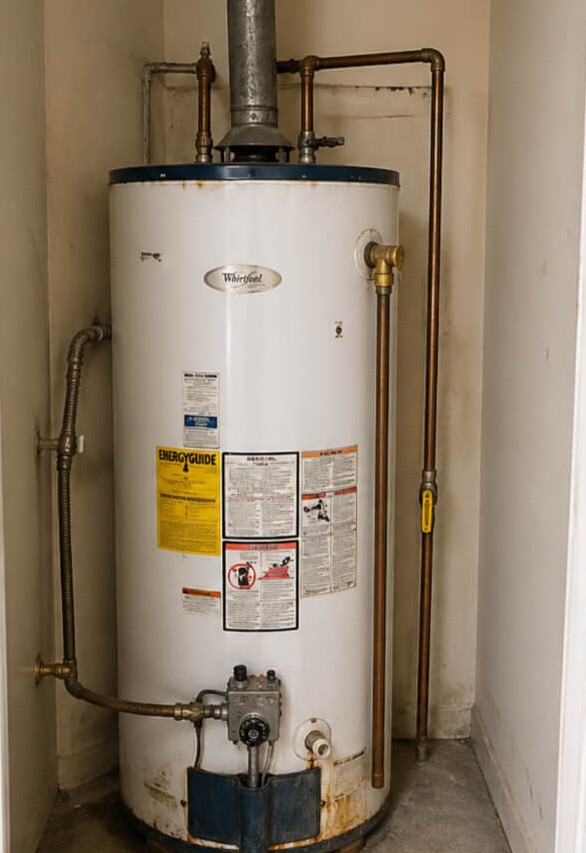

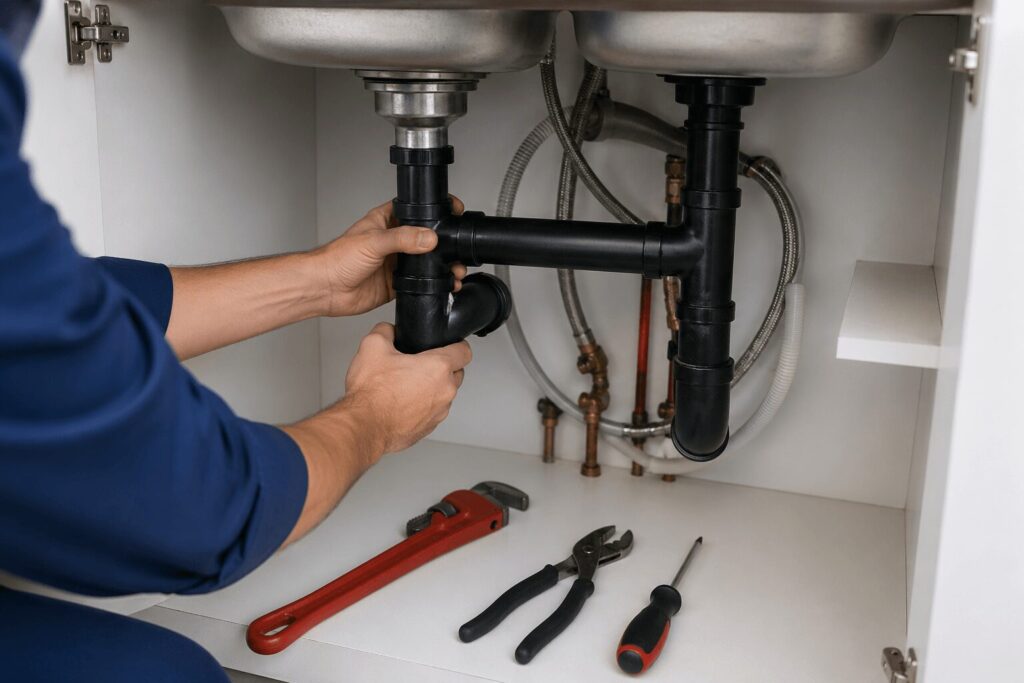
The label on your water heater probably says it should last 10 to 12 years. In Florida, that number is optimistic. Between hard water, high humidity, and the fact that your garage hit 100 degrees last Tuesday, water heaters in Volusia and Flagler County work harder and wear out faster than the national average. Here is what actually determines how long yours will last and what you can do about it.
How Long Does a Water Heater Actually Last Here?
Most tank-style water heaters installed in Central Florida last six to ten years. That is compared to eight to twelve years in cooler climates with softer water.
Tankless (on-demand) water heaters generally last 15 to 20 years because there is no standing tank of water slowly corroding from the inside. They still need regular maintenance, but their lifespan advantage in Florida is real.
The type of water heater matters less than how it is maintained and where it is installed. A well-maintained tank unit in a climate-controlled utility closet will outlast a neglected one sitting in a hot garage.
Why Florida Shortens the Lifespan
Three factors work against water heaters in our area:
Hard water. Municipal water in the Ormond Beach and Daytona Beach area carries higher levels of dissolved calcium and magnesium. These minerals settle at the bottom of the tank as sediment. Over time, that layer hardens, insulates the heating element from the water, and forces the unit to work harder. The harder the water, the faster the sediment builds.
Heat exposure. Water heaters installed in garages, attics, or unconditioned spaces run in ambient temperatures that can exceed 100 degrees during summer. The thermostat, gaskets, and electrical components degrade faster under constant heat stress.
Coastal humidity and salt air. Homes along A1A, near the Halifax River, or close to the Intracoastal Waterway face accelerated corrosion on exposed metal fittings, gas connectors, and the tank exterior. Even homes a few miles inland are not immune during onshore winds.
Warning Signs Your Water Heater Is Failing
Water heaters rarely die without warning. They send signals for weeks or months before a complete failure.
- Rusty or brown hot water. If only the hot water is discolored and flushing the tank does not fix it, the tank interior is corroding. Cold water running clear confirms the issue is the heater, not the supply line.
- Popping or rumbling noises. Sediment hardens at the bottom of the tank over time. When the burner or element heats through that layer, trapped water underneath produces popping sounds. The louder the noise, the thicker the sediment.
- Water pooling around the base. A small puddle under your water heater can mean a failing T&P relief valve (fixable) or a crack in the tank itself (not fixable). Check fittings first. If the tank body is leaking, replacement is the only option.
- Longer recovery time. If it takes noticeably longer to get hot water after a shower or running the dishwasher, the heating element or burner may be losing efficiency. Sediment buildup is usually the cause.
- Rising energy bills with no other explanation. A water heater working harder to push heat through sediment uses more gas or electricity. If your bill crept up and usage has not changed, the water heater deserves a look.
- The unit is older than eight years. Check the serial number on the manufacturer label. Most brands encode the manufacture date in the first four digits. If the unit is past eight years in Florida, start budgeting for a replacement even if it is still working.
How to Make Your Water Heater Last Longer
You cannot stop hard water from entering your home, but you can manage its effects.
Flush the tank once a year. Draining two to three gallons from the bottom of the tank removes loose sediment before it hardens. This is the single most impactful maintenance task for a tank water heater in a hard water area.
Replace the anode rod every three to five years. The anode rod is a sacrificial metal bar inside the tank that corrodes instead of the tank walls. Once it is depleted, the tank starts rusting from the inside. A replacement rod costs far less than a new water heater.
Test the T&P relief valve annually. Lift the lever briefly. Water should flow through the discharge pipe and stop when you release it. If it drips or does not flow, replace the valve. This is a safety device, not optional.
Set the thermostat to 120 degrees. The U.S. Department of Energy recommends this setting for most households. It reduces energy consumption and slows mineral buildup compared to higher temperatures. Most water heaters ship set to 140 degrees.
Consider a water softener. If your household water leaves white scale on faucets and showerheads, a water softener reduces mineral deposits throughout your entire plumbing system, not just in the water heater.
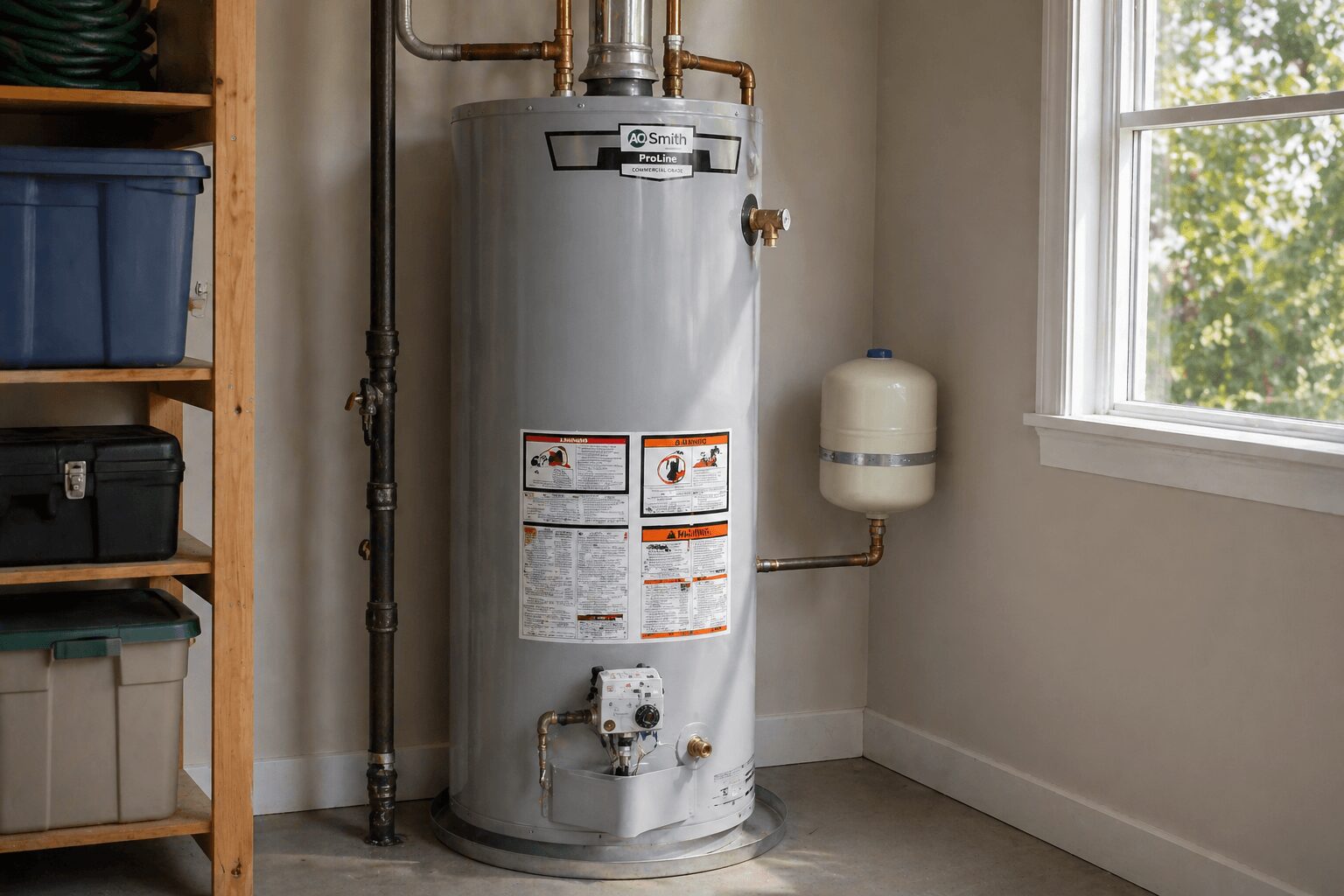
Install an expansion tank if you do not have one. Florida Mechanical Code requires expansion tanks on closed plumbing systems. If your home has a pressure-reducing valve or backflow preventer, thermal expansion from the water heater has nowhere to go without one. This puts stress on the tank and fittings over time.
Repair or Replace?
Not every problem means a new water heater. A faulty thermostat, a worn anode rod, or a bad heating element can all be replaced individually for a fraction of the cost of a new unit.
Replace the entire unit when:
- The tank itself is leaking (cracks in the tank cannot be repaired)
- The unit is eight or more years old and facing a repair that costs more than half the price of a new installation
- You are experiencing multiple issues at once (noise, slow recovery, and discolored water together usually mean the tank is done)
- The unit no longer keeps up with your household demand
A new water heater installed by a licensed plumber typically costs less in the long run than repeated repairs on a unit that is going to fail anyway.
What Ormond Beach Homeowners Need to Know About Replacement
Replacing a water heater in Florida is not a weekend project. There are code and permit requirements that matter:
- A building permit is required. Volusia County requires a permit for water heater replacement, whether the unit is gas or electric. Your plumber should pull the permit as part of the job.
- Expansion tanks are mandatory on closed plumbing systems under Florida Mechanical Code.
- Gas water heaters require proper venting and gas line connections that meet current code. If you are switching from electric to gas or upgrading to a larger unit, additional gas line work may be needed.
- The T&P relief valve discharge pipe must terminate in an approved location per code, typically outside the home or to a floor drain.
- Insurance may cover replacement if the failure was caused by a covered event such as a lightning strike, storm surge, or flooding. Document everything and contact your insurer before disposing of the old unit.
Keep an Eye on Your Water Heater
Your water heater does not care about its warranty label. It cares about the water running through it, the heat surrounding it, and whether anyone is paying attention. In Ormond Beach and across Volusia and Flagler Counties, that means a shorter lifespan than the box promised and a bigger payoff from regular maintenance.
AMN Plumbing handles water heater inspections, maintenance, repairs, and full replacements across Volusia and Flagler County. If your unit is showing signs of trouble or you are not sure how much life it has left, call us at (386) 852-2526 or send us a message. We are a licensed (CFC1431949), family-owned plumbing company based right here in Ormond Beach.
Frequently Asked Questions
How long do water heaters last in Florida?
Tank-style water heaters typically last six to ten years in Florida, shorter than the national average of eight to twelve years. Hard water, high humidity, and extreme garage temperatures accelerate wear. Tankless models generally last 15 to 20 years with regular maintenance.
How often should you flush a water heater in Florida?
At least once a year. Hard water in Volusia and Flagler County produces more sediment than average, so annual flushing is the most effective way to extend tank life. Homes with especially hard water may benefit from flushing every six months.
When should I replace my water heater instead of repairing it?
Replace the unit if the tank itself is leaking, the unit is over eight years old and facing a major repair, or you are dealing with multiple symptoms at once. If the repair cost exceeds half the price of a new installation, replacement makes more financial sense.
Do tankless water heaters last longer in Florida?
Yes. Tankless units typically last 15 to 20 years because they do not store standing water that corrodes from the inside. They still need annual descaling in hard water areas, but their overall lifespan advantage over tank models is significant in Florida conditions.